Finding your annual electricity and gas usage as a household in the Netherlands is much easier than most people think. Whether you want to compare energy contracts, switch suppliers, install solar panels, or just understand your bills better, knowing your yearly consumption is the starting point.
Here's a clear, no-nonsense guide to all the practical ways you can find it 👇
1. Check your annual energy statement (jaarafrekening)
The easiest and most reliable source is your annual energy statement from your energy supplier.
Every year, your supplier sends you a jaarafrekening that shows:
- Your total electricity usage in kWh
- Your total gas usage in m³
- The period it covers (usually 12 months)
You can usually find this:
- In your supplier's online portal
- As a PDF in your email or mailbox
If you're not sure who your supplier is, you can look it up via your grid operator (see section 4).
Tip: when comparing contracts, always use a full 12-month period to avoid seasonal bias.
2. Use your smart meter (slimme meter)
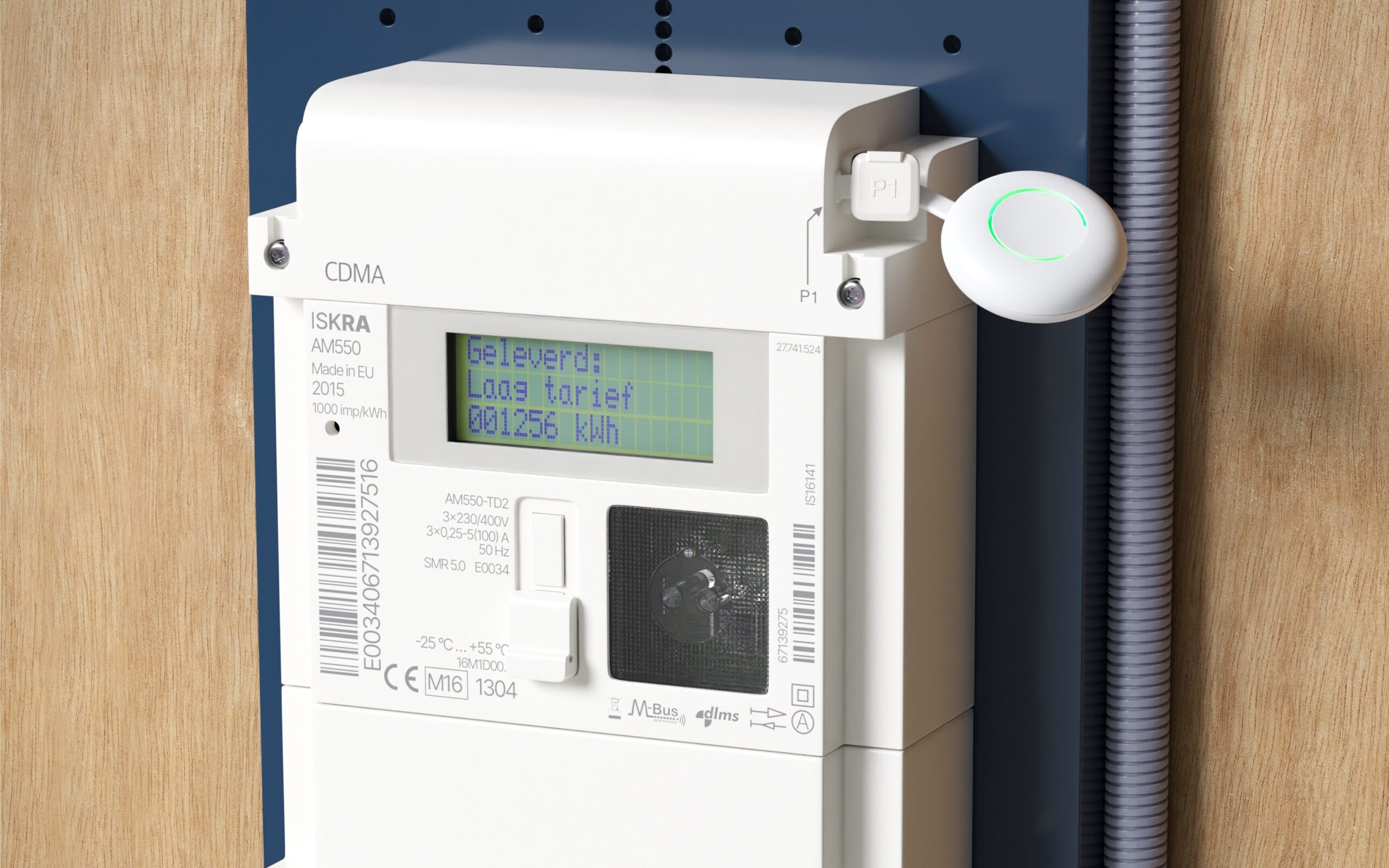
Most Dutch households now have a smart meter installed by their grid operator.
If you have one, you can:
- Read your electricity usage (kWh) and gas usage (m³) directly from the meter display
- Scroll through historical totals since installation
- Use connected apps or in-home displays
Electricity meters usually show:
- Total usage (low tariff + normal tariff)
- Sometimes production if you have solar panels
Gas meters show:
- Total cubic meters consumed
If you want real-time or daily insights, many apps connect via the P1 port on your smart meter.
3. Log in to your energy supplier's app or dashboard
Almost all Dutch energy suppliers provide digital dashboards where you can see:
- Monthly and yearly usage
- Comparisons with previous years
- Forecasted annual consumption
This is especially useful if:
- You recently moved
- Your household size changed
- You installed a heat pump, EV charger, or solar panels
If you only see monthly data, just sum up the last 12 months to get your annual usage.
4. Retrieve data via your grid operator (netbeheerder)
Your physical energy connection is managed by a regional grid operator, such as:
- Liander
- Enexis
- Stedin
Through platforms like Mijn Aansluiting, you can:
- See who your current supplier is
- Access official meter readings
- Confirm connection details
This is useful if you lost access to your supplier account or recently moved into a new home.
5. Just moved in? Estimate your annual usage
If you don't have historical data yet, you can estimate based on:
- Household size
- Type of home (apartment vs. detached)
- Heating type (gas boiler, district heating, heat pump)
Rough Dutch averages (very approximate):
- 1–2 people: ~1,800–2,500 kWh electricity
- 3–4 people: ~2,800–3,500 kWh electricity
- Gas usage ranges from ~800 m³ (well-insulated apartment) to 1,500+ m³ (older family home)
Once you've lived there for a year, replace estimates with real data as soon as possible.
6. Why your annual usage really matters
Knowing your exact annual electricity and gas consumption helps you:
- Compare energy contracts accurately
- Avoid overpaying monthly advances
- Decide if solar panels or a heat pump make sense
- Understand the impact of price changes or dynamic tariffs
Suppliers base most offers and monthly payments on this number, so accuracy saves money.
Quick checklist
If you want the fastest answer:
- Start with your jaarafrekening
- If unavailable, check your supplier app
- If needed, read your smart meter totals
- As a backup, use your grid operator portal